Protecting Your Investment
A quality fence should last 15-20 years, but neglect can cut that lifespan in half. Here's how to keep your fencing in top condition.
Annual Maintenance Checklist
Spring:
- Inspect for winter storm damage
- Check posts for movement or rot
- Tighten any loose fixings
- Apply treatment if needed
Autumn:
- Clear debris from base of fence
- Cut back vegetation touching panels
- Check drainage around posts
- Final treatment before winter
Treatment Options
Fence paint/stain:
- Apply every 2-3 years
- Choose a colour that complements your garden
- Apply in dry weather above 10°C
- Two coats for best protection
Preservative:
- Clear or tinted options
- Penetrates wood for deep protection
- Best applied by spray for coverage
- Annual application recommended
Common Problems and Solutions
Rotting posts:
The most common fence failure. Options include:
- Concrete repair spurs to support existing posts
- Full post replacement
- Consider concrete or metal posts for longevity
Loose panels:
Usually caused by:
- Failed clips or brackets
- Warped timber
- Wind damage
Fix promptly to prevent further damage.
Leaning fence:
Often indicates:
- Post rot below ground
- Soil erosion
- Inadequate original installation
May need post replacement or additional support.
When to Replace vs Repair
Repair if:
- Damage is localised to one or two panels
- Posts are still solid
- Fence is less than 10 years old
Replace if:
- Multiple posts are rotting
- Panels are generally deteriorated
- Fence is constantly needing repairs
- You want to upgrade the style
Quality Fencing Installation
When it's time for new fencing, proper installation makes all the difference:
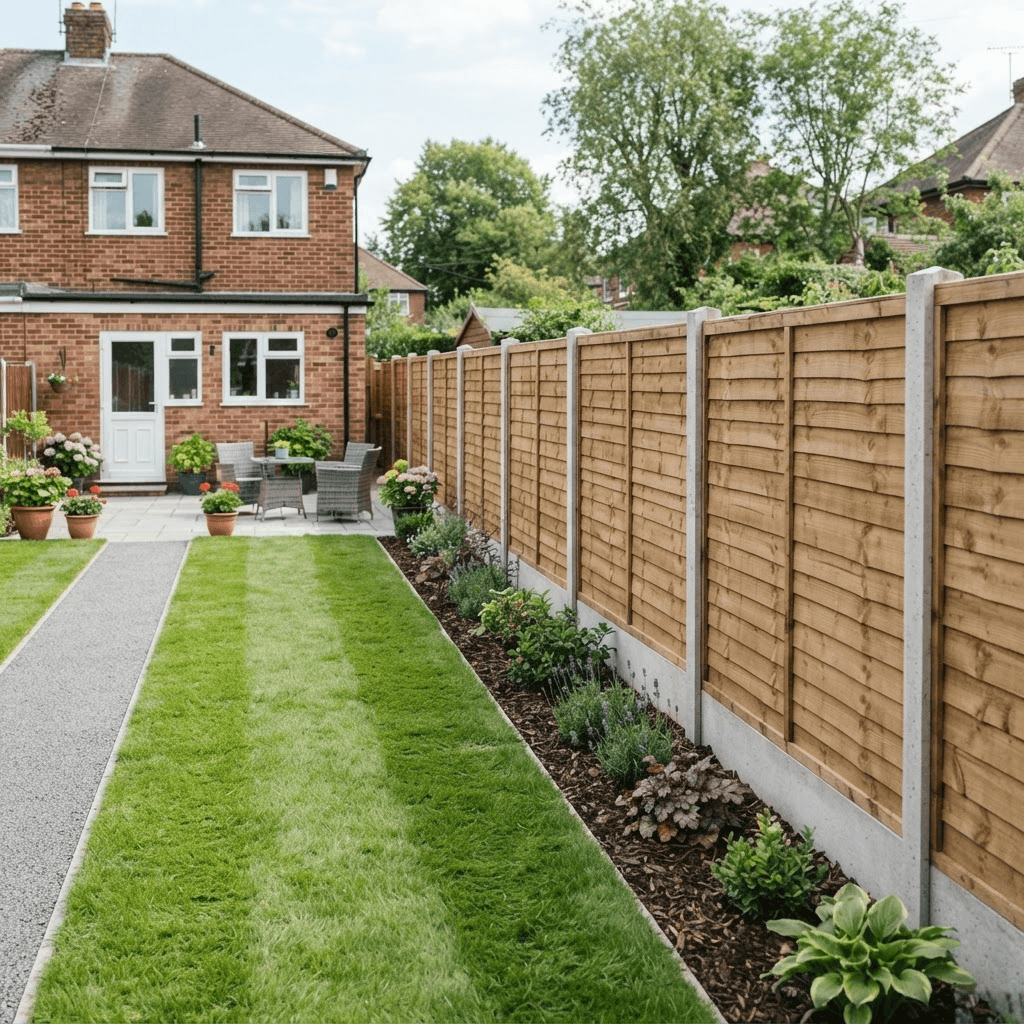
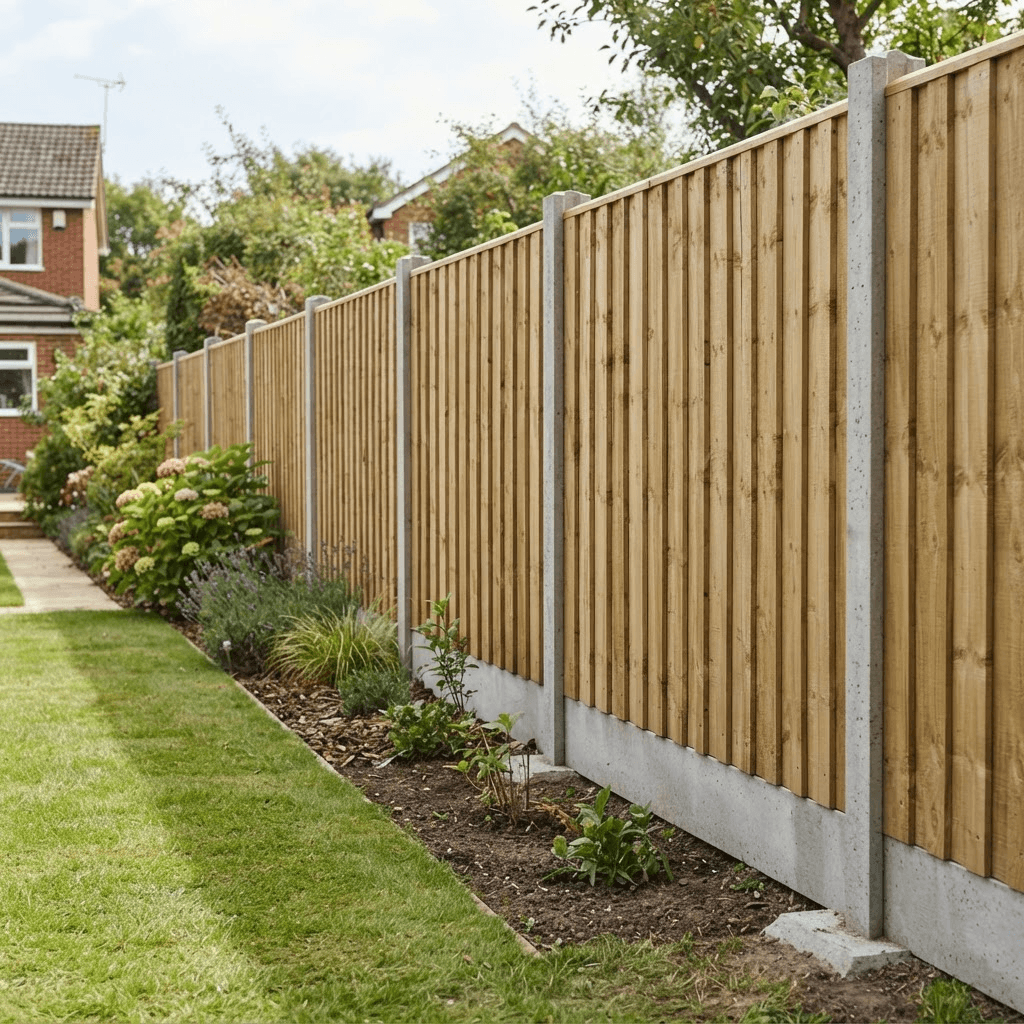
- Concrete-set posts (not spiked)
- Pressure-treated timber throughout
- Gravel boards to protect panels from ground moisture
- Quality fixings and clips
Need fencing advice or a quote for new installation? Get in touch for a free assessment.